Introduction
The U.S. military’s AI weapons program, widely known as the Replicator initiative, was launched with great ambition: to deploy thousands of low-cost, autonomous drones and unmanned systems by 2025. Designed to counter China’s growing military influence, this program promised to transform the nature of modern warfare.
However, recent reports indicate that the program is falling behind schedule and facing technical, financial, and ethical hurdles. This article delves deep into what these delays mean for U.S. national security, technological innovation, and the global arms race.
What is the Replicator Program?
The Replicator program was announced in 2023 by the U.S. Department of Defense (DoD). Its mission was clear:
- Develop small, smart, and cheap autonomous systems
- Mass-produce aerial drones, uncrewed sea vessels, and land vehicles
- Deploy them at scale to give the U.S. military a tactical advantage in contested regions like the Indo-Pacific
The vision was to flood the battlefield with “attritable” systems, machines cheap enough to be lost in combat but powerful enough to make an impact.
Why the Program is Facing Delays
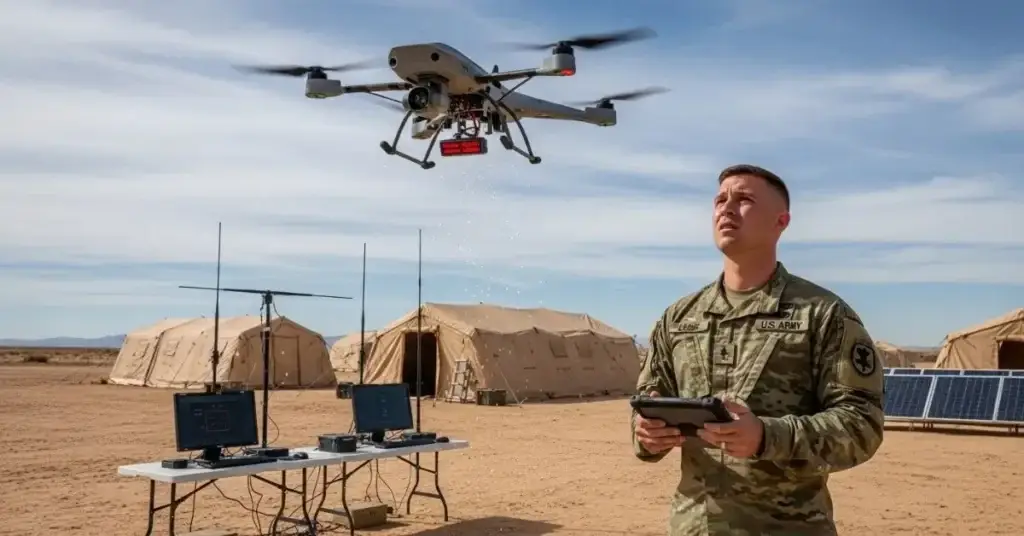
Technical Setbacks
- Malfunctioning drones: Reports cite navigation, targeting, and communication system failures.
- AI misidentification: Early tests showed that AI struggled with dynamic battlefield conditions, misclassifying objects or failing to react quickly enough.
- Integration issues: Bringing together systems from different manufacturers into a single, coordinated fleet proved more complex than expected.
Financial Roadblocks
- Budget mismatch: Initial budgets underestimated the real cost of development and procurement.
- High system costs: Some drones were too expensive to mass-produce, undermining the “cheap” vision.
Organizational Problems
- The program has shifted management to the newly created Defence Autonomous Warfare Group (DAWG), but this restructuring may slow progress.
- Cuts in oversight, including Office of Testing & Evaluation reductions, raise concerns about accountability and safety.
These delays also highlight a broader debate in the U.S about the role of agentic AI systems in critical decision-making. For a deeper look into how Agentic AI is shaping innovation across industries in the USA, you can explore our detailed analysis here: Agentic AI in the USA 2025
Ethical and Legal Challenges
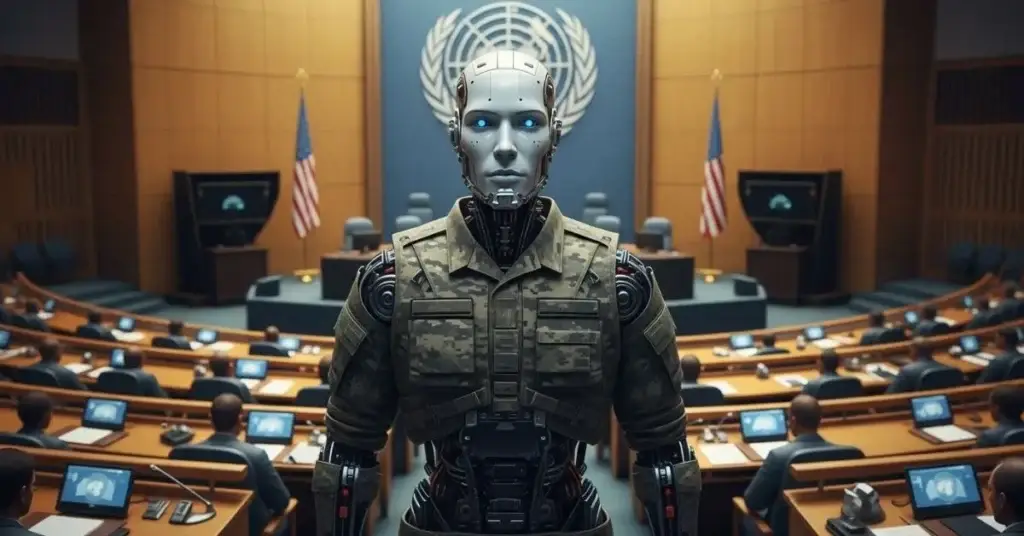
The Replicator initiative is not just a technical challenge; it’s also an ethical one. Key concerns include:
- Autonomy in lethal decisions: Should AI systems be allowed to decide to kill autonomously? Or should humans always remain “in the loop”?
- International law: Fully autonomous lethal systems could violate existing humanitarian conventions.
- Public perception: Civil society groups are increasingly vocal about the dangers of AI-driven weapons.
Global Implications
Strategic Competition with China
The Replicator program was explicitly designed to counter China’s expanding military dominance. Delays in deployment could:
- Give China a head start in AI-enabled warfare.
- Weaken U.S. deterrence in the Indo-Pacific.
- Encourage rivals like Russia to accelerate their own AI weapons programs.
Risk of an Arms Race
If the U.S. falls behind, other nations may feel emboldened to invest aggressively in autonomous warfare. This could spark a dangerous global AI arms race.
Risks of Rushing AI Weapons
Experts warn that rushing AI systems to the battlefield without proper testing could have dire consequences:
- Unpredictable behaviour: AI systems may behave unpredictably in new environments.
- Civilian harm: Misidentification could lead to civilian casualties, fueling backlash.
- Escalation risks: AI-driven decision-making may cause accidental escalations between nuclear-armed states.
What Experts are Saying
Military Analysts
Defence experts argue that the U.S. must balance speed with caution. While delays are disappointing, deploying unreliable systems could be catastrophic.
Tech Researchers
AI researchers warn about “reward hacking” and “goal misgeneralization,” where AI systems pursue unintended objectives with harmful consequences.
Civil Rights Advocates
Groups like Public Citizen demand transparency and clear policies ensuring human oversight in lethal AI systems.
The Future of AI in Warfare
Despite setbacks, the Replicator program is unlikely to be abandoned. Instead, we may see:
- Smaller, phased rollouts: Instead of thousands of systems, the DoD may deploy hundreds first.
- Human-AI collaboration: Hybrid systems where AI supports decision-making but humans retain final control.
- Increased regulation: Congress and international bodies may push for stronger oversight and treaties on autonomous weapons.
Key Takeaways
- The U.S. military’s AI weapons program is facing severe delays due to technical, financial, and ethical challenges.
- Strategic competition with China makes this program urgent, but rushing unreliable systems could create greater risks.
- Public debate over AI autonomy in warfare is growing louder, with demands for regulation and transparency.
- The future likely lies in human-AI collaboration rather than fully autonomous lethal systems.
Final Note
The U.S. military’s AI weapons program may not hit its 2025 target, but it’s redefining how nations think about autonomy, security, and ethics in the 21st century. Whether this becomes a stabilizing innovation or a dangerous arms race depends on today’s choices.
FAQs about the U.S. Military’s AI Weapons
1. What is the U.S. Military’s AI Weapons Program?
Answer: The U.S. Military’s AI Weapons Program is a large-scale defence initiative to integrate artificial intelligence into weapons, drones, cybersecurity, and decision-making systems. It is designed to maintain U.S. dominance in future warfare, but the project faces delays and budget challenges.
2. Why is the U.S. Military’s AI Weapons Program facing delays?
Answer: Delays are mainly due to technical hurdles, ethical debates, supply chain issues, and the complexity of merging AI with traditional military hardware. These delays raise concerns about how soon the U.S. can deploy advanced AI-powered defence systems.
3. How much funding has been allocated to AI weapons in the U.S.?
Answer: According to recent defence budget reports, billions of dollars have been allocated to AI research and autonomous defence technologies. However, shifting political priorities and delays in testing have slowed the actual deployment process.
4. What challenges does the Pentagon face in deploying AI weapons?
Answer:
- Lack of skilled AI engineers in the defence sector
- Ethical debates on “killer robots”
- Cybersecurity risks from hackers
- Complex testing and regulatory approval processes
5. Will AI replace human soldiers in the U.S. Military?
Answer: No, experts believe AI will not completely replace soldiers. Instead, the U.S. Military’s AI Weapons Program aims to enhance human decision-making, improve accuracy, and reduce risks for soldiers on the battlefield.
6. How does the U.S. compare to China and Russia in AI weapons?
Answer: The U.S. is still a leader in AI defence, but delays in the AI Weapons Program give China and Russia opportunities to close the gap. China is rapidly investing in AI drones, while Russia is experimenting with autonomous combat systems.
7. Are AI weapons safe to use in real warfare?
Answer: Safety is one of the biggest concerns. The Pentagon emphasises human oversight, but critics argue that AI could malfunction, misinterpret data, or be hacked, raising fears of unintended attacks or escalation in conflicts.
8. How will AI weapons affect the future of U.S. warfare?
Answer: If successful, the U.S. Military’s AI Weapons Program will transform warfare with faster decision-making, autonomous drones, predictive cyber defence, and reduced risks for troops. However, delays could weaken U.S. readiness against global rivals.
9. What ethical concerns are raised by AI weapons?
Answer: Critics worry about:
- Lack of accountability if an AI weapon makes a mistake
- The possibility of autonomous lethal strikes without human control
- Violations of international humanitarian law
10. Can AI weapons be hacked by enemy nations?
Answer: Yes. Cybersecurity experts warn that AI weapons connected to networks could be vulnerable to hacking. The U.S. Military’s AI Weapons Program invests heavily in cyber defence, but risks remain.
11. How do delays impact U.S. national security?
Answer: Delays in the AI Weapons Program mean the U.S. risks falling behind China and Russia in future warfare technologies. This could reduce the military’s strategic advantage and weaken its deterrence capabilities.
12. What role does Congress play in AI weapons development?
Answer: Congress oversees funding, sets regulations, and debates ethical guidelines. Lawmakers are divided; some push for rapid AI adoption, while others demand stricter testing before deployment.
13. What is the long-term future of the U.S. Military’s AI Weapons Program?
Answer:
- Despite current challenges, experts predict the program will eventually succeed. Over the next decade, AI will likely become central to U.S. defence strategies, shaping the future of warfare through autonomous systems, smart drones, and advanced cybersecurity.